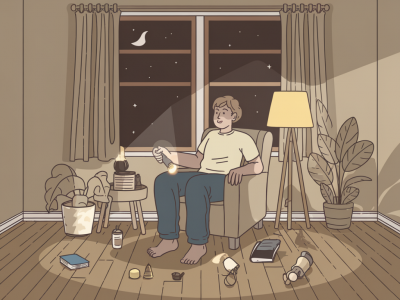
I started doing a small experiment on a bleak November evening, partly because my mornings had been a battleground of nagging to-dos and low-grade dread. The idea was absurdly simple: before bed, spend five minutes scanning the room and naming aloud five objects that mattered for the next...
Read more...

I have long believed that a single fruit can anchor a year of meals, small moments and gatherings. Pears do that for me: they’re gentle, versatile and forgiving, slipping from crisp snack to melting poached jewel with the same kind of humility I admire. In this piece I share idées gourmandes à...
Read more...

I have a soft spot for small, inexpensive objects that unexpectedly change the way I think. A cheap Muji notebook—thin paperback, minimal cover, cream paper—has become one of those modest allies. There is something about that blank grid or ruled page that invites a kind of attention apps and...
Read more...
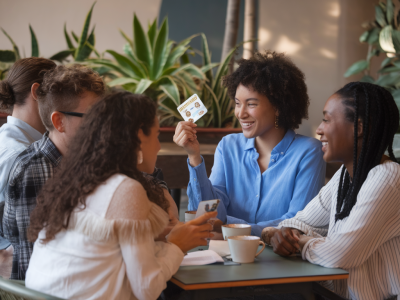
I have a small ritual that has quietly changed the way I move through cities and cafés: the five-minute café question. It’s a tiny conversational experiment — equal parts curiosity and constraint — that turns a brief, awkward exchange into something unexpectedly warm and human. Over time...
Read more...

I used to think of my commute as a necessary dullness — the stretch of time between home and whatever I was supposed to be doing. It was the place I scrolled too much, made a grocery list in my head, or rehearsed conversations that never happened. Over the years I turned that time into something...
Read more...

I keep a running list of half-started things: a novel with three earnest first chapters, a notebook of collaged ideas for a zine, a website draft that still uses Comic Sans because I was distracted, a sourdough starter that somehow survived a week in the back of the fridge. They live in different...
Read more...
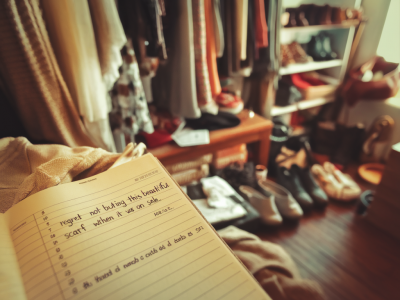
I keep a tiny book on my bedside table that I call, without much ceremony, my regret ledger. It’s a humble object: a slim notebook, cheap and cheerful, where I write down one regret from the day before I go to sleep. One line. Sometimes two. That’s it. No inventory of moral failures, no...
Read more...

I had a dream last week about a tea shop that sold memories by the cup — not the sentimental kind, but tiny, perfectly framed recollections you could sip and reconsider. I woke up with the image still warm in my mouth and the inevitable question: is this worth writing about, or was it just a...
Read more...

There are mornings when my mind arrives before my body does: a jumble of small emergencies, a to-do list that feels like an avalanche and a vague, gnawing dread that I forgot something important. On those days I tell myself I need a system, a ritual — something small enough to do habitually, but...
Read more...
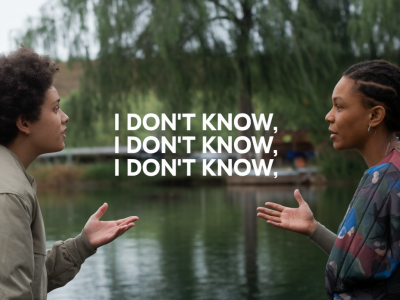
I learned a little conversational trick years ago — not from a book but from a series of awkward dinner parties and stubborn interviews where everyone seemed to be playing verbal tennis. When a question landed on me that I didn't have a neat answer for, I began to say, deliberately and aloud, "I...
Read more...