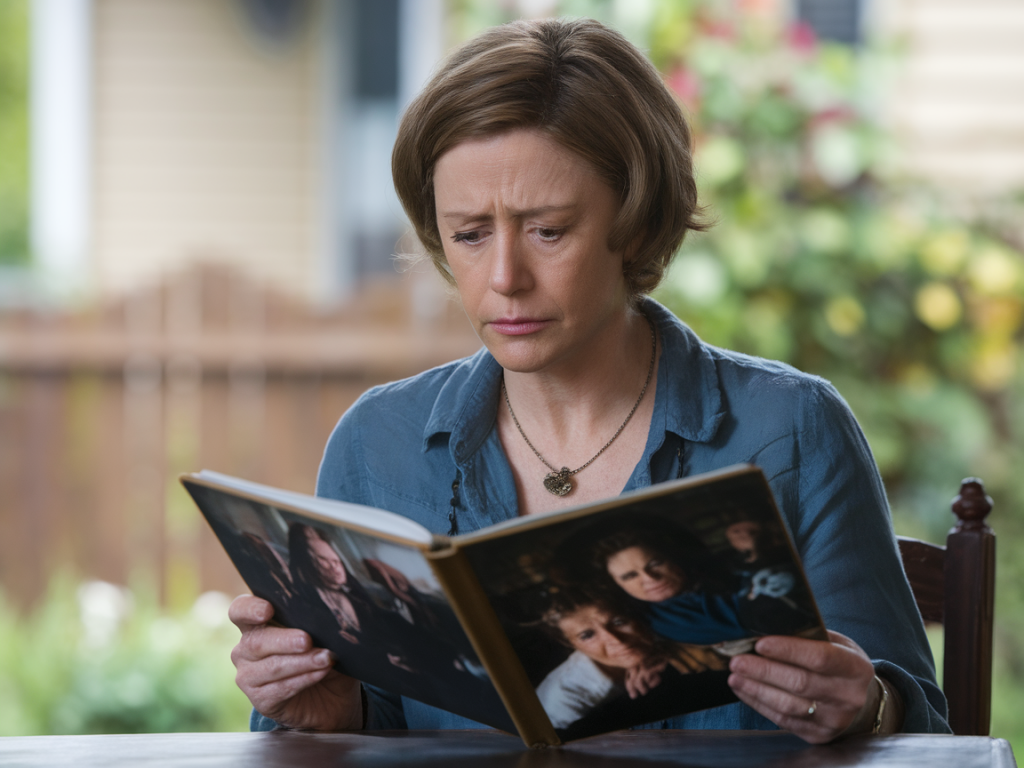
I remember a scene from a film more clearly than I remember a conversation I had last week. It’s a strange admission, but it’s become a kind of litmus test for how I think about other people: which version of someone lives in my head — the messy, contradictory person I actually know, or the distilled, edited character that filmcraft hands me? Over time I’ve noticed that the ways filmmakers compress, highlight and repeat moments teach us a lot about why we so often misremember one another.
How cinema edits memory for us
Film doesn’t capture life so much as it chooses it. A close-up on a face, a cut to a reaction, a swelling score — these are tools for emphasis. When I first watched Casablanca on a rainy afternoon, I didn’t just recall Rick’s line about “the problems of three little people”; I could replay Humphrey Bogart’s half-sneer, the cigarette ash, the exact cadence as if it were a conversation I’d had. Cinema’s selective attention is persuasive: it trains us to attend to particular details and to assume they are decisive.
That same economy is at work when we recall people. Our minds, like cameras, take selective shots. We focus on vivid moments — betrayal, brilliance, tenderness — and then our mental editing suite fills in the transitions. The result is a condensed narrative: someone becomes The Kind One, The Betrayer, The Brilliant But Broken Artist. The nuance, the quiet ordinary hours, the fuzzy inconsistencies are discarded because they don’t make for a striking scene.
Scenes that stick and why
Certain film scenes have a gravitational pull. Think of the hallway elevator scene in The Godfather where Michael Corleone kills Sollozzo and McCluskey. The brutality is choreographed, and therefore memorable. Or the simple, small gesture in Lost in Translation when Bob and Charlotte share a cigarette on a balcony — nothing dramatic, but everything intimate. Why do these stick? I’d argue two reasons:
- Emotional intensity: Strong feelings act like cinematic lighting: they cast a person’s face into sharp relief. Our brains are tuned to prioritise emotionally charged events.
- Pattern completion: Films often repeat motifs — a recurring line, a particular camera angle — which helps consolidate memory. Repetition imprints.
When we transpose that back onto real people, we grant disproportionate weight to episodes that felt cinematic. We treat them as if they were designed to reveal someone's essence, when often they were just moments caught under unusual light.
Why we misremember people the way films misremember life
There are cognitive reasons this happens. Psychologists talk about schema — mental frameworks we use to organise information. If you already have a schema for someone (“She’s unreliable”), you’ll notice and retain behaviors that confirm it, while downplaying counterexamples. This is the same trick that screenwriters exploit when they seed a character trait early and then use cinematic shorthand to remind us of it.
Then there’s affective tagging: our emotional reaction to an encounter becomes attached to the person in memory. A single angry confrontation can overpaint weeks of warmth. Films illustrate this brilliantly. Think of Eternal Sunshine of the Spotless Mind: memory is literally edited, but the emotions remain, messy and stubborn. In life, we can’t literally erase scenes, but we do something similar by letting one salient moment eclipse a longer, more complex history.
Examples from films that changed how I remember people
I used to have a neighbor who, in my memory, was mostly a prick. That impression hardened after an argument about parking a few winters ago; the confrontation felt so vivid it became the defining scene in my mental movie. Later, when I saw a scene in Amélie — a small, almost apologetic act of kindness performed with extreme care — I realised how poorly I’d edited my own neighbor’s whole reel. I started to notice the cups of sugar he'd lent, the way he watered plants while I was away. The film’s attention to small kind gestures nudged me to re-edit my memory.
Similarly, a friend’s one terrible dating anecdote became their “story” in my mind until a quiet sequence in Moonlight — where the protagonist is gentle, vulnerable, and entirely human in a way the world often refuses to see — made me sit differently with that friend’s history. Films can humanise in ways raw gossip rarely does; they remind us that single scenes aren’t biographies.
Techniques cinema uses that you can use in real life
If we accept that film helps explain our memory errors, we can borrow a few practical lessons from it.
- Edit with generosity: Filmmakers often revisit a character trait in multiple scenes so we see it from different angles. Try to collect contradictory scenes about someone before you let one define them.
- Look for the B-roll: Directors put in background shots that enrich context. In life, seek the background — the mundane acts that reveal routine decency or awkwardness.
- Watch scenes more than once: Rewatching a movie scene often reveals a missed expression, a softer moment. Revisit your memories by checking facts, asking others, or simply remembering with curiosity rather than judgement.
When films mislead us
It’s worth noting that films also do deliberate misremembering — unreliable narration, flashbacks that change meaning, montage that flattens time. These remind us to be wary: just because a scene is vivid doesn’t make it true. We are storytellers of our own lives; sometimes we craft narratives that comfort us or maintain coherence at the cost of fidelity.
Think of courtroom dramas where a single reveal shifts the entire story. Real people rarely offer such neat reveals. Life is comprised of half-lines and interrupted gestures. When we allow cinematic logic to dictate how we view others, we risk turning them into caricatures — predictable, cheaply dramatic, and ultimately unsatisfying.
Practical habits to counteract cinematic distortion
Here are a few practices I’ve found helpful, inspired by film but grounded in everyday patience:
- Keep small notes: A private journal entry after a significant interaction helps preserve nuance that a single dramatic memory would erase.
- Ask for the outtakes: When someone disappoints you, ask kindly about context. People are more than their highlight reels.
- Watch films that complicate archetypes: Seek out movies that resist tidy moral resolutions — films by directors like Kelly Reichardt or the Coen Brothers can train you to appreciate ambiguity.
- Practice noticing the ordinary: Try to remember a person’s small, repeatable acts for a week — the way they laugh at certain jokes, how they organise their keys. These are the B-roll of a life.
Films teach us both a warning and a remedy. They show how easily attention can be directed, how repetition cements impressions, and how music can make a false moment feel true. But they also offer a corrective: when you slow down a scene, when you look for the cutaways and the unspectacular beats, you often find a truer picture. The next time someone in your life becomes a single, vivid scene, try rewinding — watch the longer cut.
If you’ve ever misremembered someone and later been surprised by a different truth, I’d love to hear which films nudged you to rethink that error. Conversation, after all, is the place where our personal montages get edited into something closer to reality.