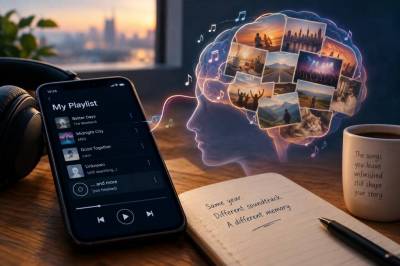
I kept one playlist unfinished for an entire year. Not unfinished in the casual way we abandon things—no, this was deliberate, a small experiment in memory and attention. I named it "2025 (still)" and added tracks as the months unfolded, sometimes curating whole clusters for a week, other times...
Read more...
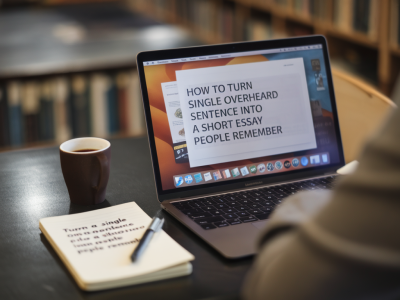
I once overheard a woman on a train say, almost to herself, "We don't buy time, we borrow it." It lodged in my head like a pebble in a shoe. Within a few hours it had become the scaffold for an essay — not because the sentence was perfect, but because it offered a hinge: a surprising claim that...
Read more...
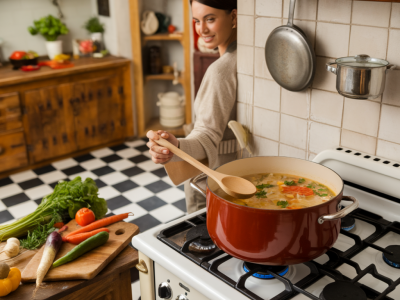
There is, in my kitchen drawer, a small card that is as misbegotten as it is beloved. The edges are softened from years of handling, and a sticky smear of something brown — jam? sauce? — has become part of its patina. On it, in my grandmother’s looping hand, is a recipe for an apple cake that...
Read more...
I decided, almost as an experiment and partly as an humility practice, to spend a month replying with three small words more often than I normally would: "I don't know." Not as a conversation-stopper, but as an opening—an honest admission of uncertainty that might invite curiosity rather than...
Read more...
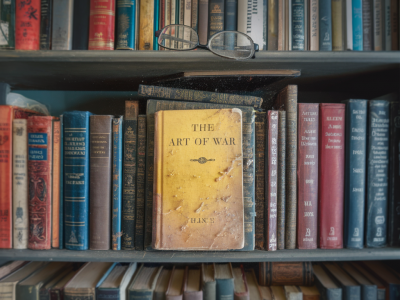
There’s a book on my shelf that I never open. Not because it’s rare or valuable, or even because it’s terrible—but because it feels like a small archaeological artifact of a person I used to be. When friends notice it they often ask, half-joking, “Do you still like that?” and I give the...
Read more...

I spent a month photographing empty chairs. It started as an experiment — a small, quiet challenge to myself to notice the everyday furniture that usually disappears into the background of life. I wanted to see what an ordinary object could reveal about presence and absence, about the things we...
Read more...
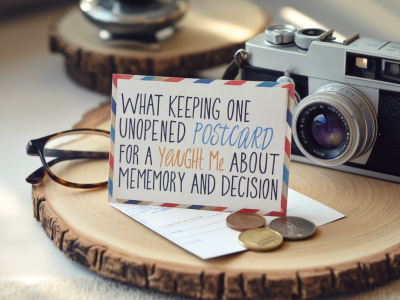
I found the postcard wedged behind a stack of mail on the windowsill, face down, its stamp still crisp and the handwriting faintly tilted as if whoever wrote it had been in a hurry and also smiling. I had known it was there — I remembered putting it on the sill a year ago when work felt hurried...
Read more...
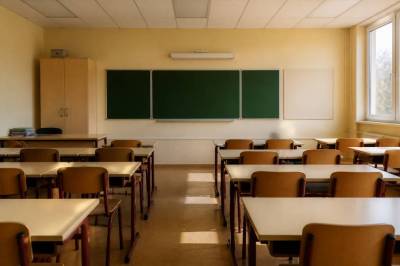
Morning Arrival and First ImpressionsStepping into a French school for the first time can feel both familiar and surprising. The building may look similar to schools in other countries, yet the atmosphere often carries a distinct rhythm. Students arrive with backpacks slung over one shoulder,...
Read more...
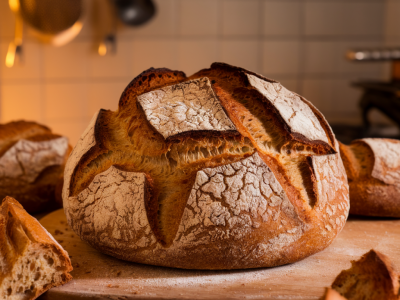
I once set a timer for bread and, like many of my domestic experiments, learned more from what went wrong than from what went to plan. The loaf came out dense where I expected air, crust thick where I wanted tenderness, and whole-wheat flour dusted the counter like an apology. I put the imperfect...
Read more...
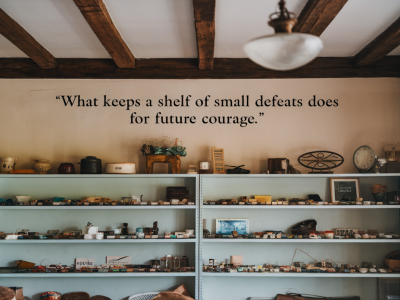
There’s a corner of my study where I keep a small, deliberate mess. It isn’t cluttered with old bills or socks; it’s a quiet shelf of objects that mark small failures, aborted attempts and the odd embarrassing experiment. A coffee-stained postcard from a failed writing residency application....
Read more...