I kept one playlist unfinished for an entire year. Not unfinished in the casual way we abandon things—no, this was deliberate, a small experiment in memory and attention. I named it "2025 (still)" and added tracks as the months unfolded, sometimes curating whole clusters for a week, other times...

Oct 04, 2026
• by Élise Laurent
Latest News from W Oswald Co

I decided, out of a mixture of curiosity and mild exhaustion, to spend a week answering familiar questions with three small words: “I don’t know.” Not because I had nothing to say, but because I wanted to see what happened when I refused the quick, comforting move to certainty. The experiment felt simple—almost trivial—but it nudged at a lot of habits I had long taken for granted in...
Read more...

I often wake at 3 a.m. with a sentence looping in my head — a small, persistent critique that slides from practical ("You should have replied") to existential ("What does any of this matter?"). For years these wakeful nights felt like moral report cards: an instant, ruthless tally of flaws that left me restless and ashamed before the day had even begun. Then, slowly, I began to notice a...
Read more...

I used to think of my commute as a necessary dullness — the stretch of time between home and whatever I was supposed to be doing. It was the place I scrolled too much, made a grocery list in my head, or rehearsed conversations that never happened. Over the years I turned that time into something else: an idea‑harvesting ritual I repeat weekly. It didn’t require genius, grand tools, or a...
Read more...

I keep a running list of half-started things: a novel with three earnest first chapters, a notebook of collaged ideas for a zine, a website draft that still uses Comic Sans because I was distracted, a sourdough starter that somehow survived a week in the back of the fridge. They live in different folders, drawers and the quiet corners of my head. Like many people, I feel both guilty and slightly...
Read more...
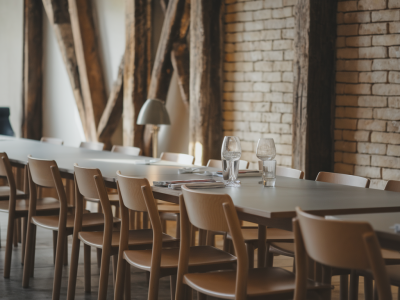
There is a small ritual I have come to practice at gatherings: I leave one chair intentionally empty. Not always, and not as a rule, but often enough that friends notice. Sometimes it’s a conspicuous vacant place at the head of the table; sometimes it’s a spare seat at the far corner. The empty chair is neither an oversight nor a sign of scarcity. It’s a deliberate gesture that lets a quiet...
Read more...
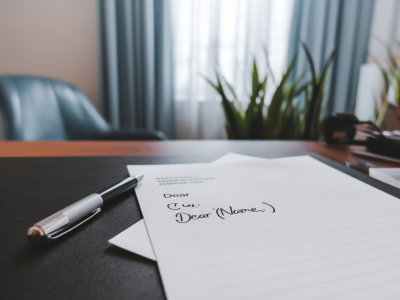
I keep a small stack of half-written letters in a drawer — not because I’m a sentimental hoarder, but because the very act of leaving a sentence unfinished feels, to me, like a deliberate pause in how I hold someone in memory. Some of these letters were started in anger, others in gratitude; some were meant to apologize, others to explain. None of them were sent. Over time I’ve noticed that...
Read more...
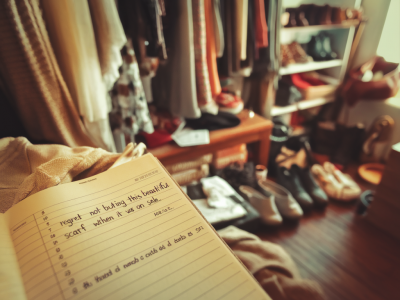
I keep a tiny book on my bedside table that I call, without much ceremony, my regret ledger. It’s a humble object: a slim notebook, cheap and cheerful, where I write down one regret from the day before I go to sleep. One line. Sometimes two. That’s it. No inventory of moral failures, no diary-length excavation. Just a single, clear record of something I’d do differently if I could rewind...
Read more...

I had a dream last week about a tea shop that sold memories by the cup — not the sentimental kind, but tiny, perfectly framed recollections you could sip and reconsider. I woke up with the image still warm in my mouth and the inevitable question: is this worth writing about, or was it just a delicious one-off from the sleeping brain? I now have a short, reliable process I use when a dream hands...
Read more...

There are mornings when my mind arrives before my body does: a jumble of small emergencies, a to-do list that feels like an avalanche and a vague, gnawing dread that I forgot something important. On those days I tell myself I need a system, a ritual — something small enough to do habitually, but precise enough to quiet the static in my head. What’s stuck with me is a two-minute habit I...
Read more...
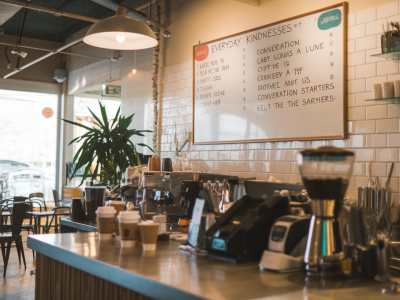
I have a small ritual when I go to a local coffee shop: I try to ask one tiny, quiet question that nudges the ordinary transaction into something more human. Not every attempt turns into a conversation, and that’s fine—sometimes the question just makes the barista smile, and that small exchange is its own kind of kindness. Over time I’ve learned which questions open up space for connection,...
Read more...