I kept one playlist unfinished for an entire year. Not unfinished in the casual way we abandon things—no, this was deliberate, a small experiment in memory and attention. I named it "2025 (still)" and added tracks as the months unfolded, sometimes curating whole clusters for a week, other times...

Oct 04, 2026
• by Élise Laurent
Latest News from W Oswald Co

I have a small ritual for walks now: before I step outside I ask myself, "What would a stranger notice?" It sounds like a strange prompt — intentionally so — and it has a way of changing the geometry of attention. The question nudges me out of familiar routes and habitual gazes and into a state of gentle curiosity. Over the past few years, asking it has turned ordinary walks into short...
Read more...
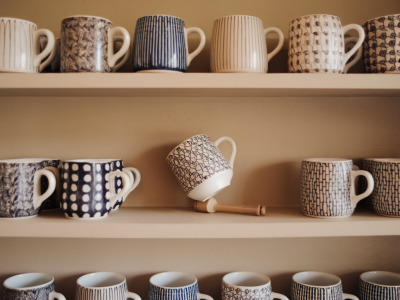
I own a shelf of mugs. That sentence sounds trivial until you notice, as I often do, that one of them is very much not like the others. It’s smaller, its glaze is a different kind of blue, there’s a faint hairline crack near the handle and a sticker from a weekend pottery market still clinging to the base. The rest of the collection obeys a palette — soft creams, speckled stoneware and a...
Read more...
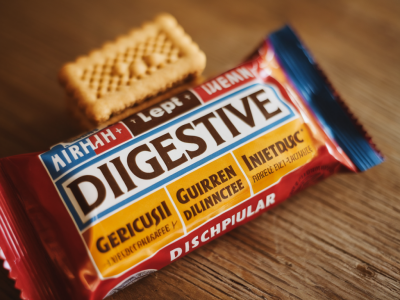
I once found myself standing in a small supermarket aisle at three in the afternoon, staring at the back of a biscuit packet as if it might reveal some private truth about the world. It sounds ridiculous — who studies the ingredients on a family-size pack of Hobnobs for fun? — but that quiet piece of plastic taught me more about cultural history than a semester of lectures ever did. The...
Read more...
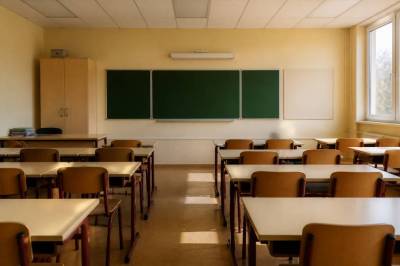
Morning Arrival and First ImpressionsStepping into a French school for the first time can feel both familiar and surprising. The building may look similar to schools in other countries, yet the atmosphere often carries a distinct rhythm. Students arrive with backpacks slung over one shoulder, greeting friends in quick conversations before the bell rings. The courtyard, or cour, is usually the...
Read more...
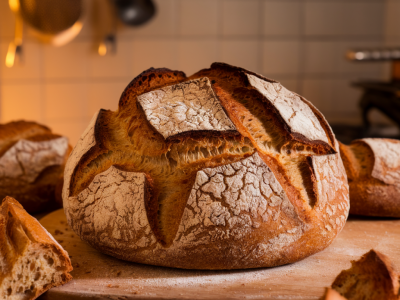
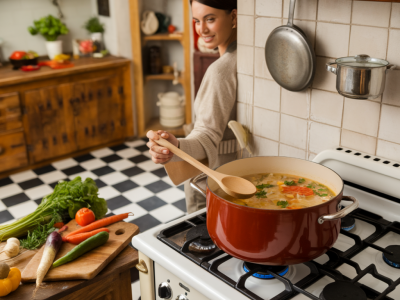
I once set a timer for bread and, like many of my domestic experiments, learned more from what went wrong than from what went to plan. The loaf came out dense where I expected air, crust thick where I wanted tenderness, and whole-wheat flour dusted the counter like an apology. I put the imperfect loaf on the table anyway, cut a piece, and found it unexpectedly consoling: my appetite didn’t...
Read more...
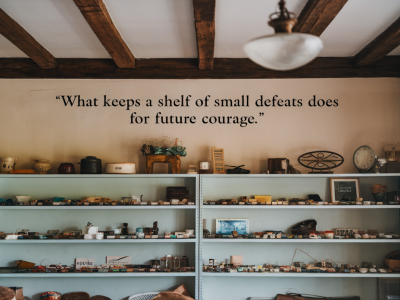
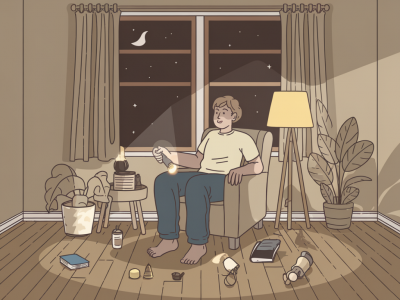
There’s a corner of my study where I keep a small, deliberate mess. It isn’t cluttered with old bills or socks; it’s a quiet shelf of objects that mark small failures, aborted attempts and the odd embarrassing experiment. A coffee-stained postcard from a failed writing residency application. A dried-up fountain pen I thought I could fix. A poorly framed photograph I insisted on printing....
Read more...

I have a soft spot for coffee shops. Not because I need caffeine every hour (though I often do), but because they are small, ordinary theatres where brief human stories are exchanged over steam and tampers. The transactions are short: a name, an order, a total. Yet every so often, a single question nudges the ritual into genuine conversation. Over the years I’ve learned that the trick isn’t...
Read more...
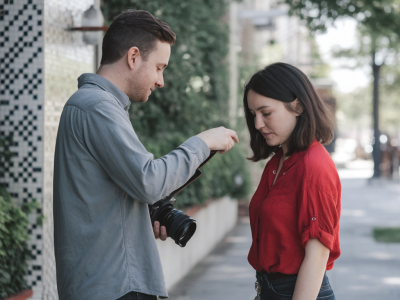
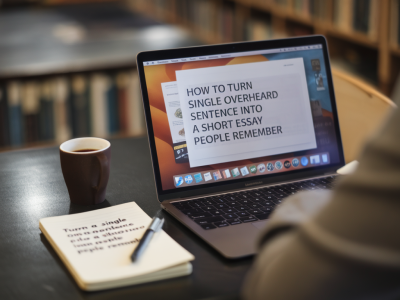
Sometimes it’s a few words, slipped into the air at the end of a checkout line or shouted across a park, that pinprick my attention and won't let go. I’ll be washing the dishes, and a phrase I heard earlier — half-formed, context-shifty — will resurface and unfurl like a map. I’ve come to treat these accidental lines as tiny moral waypoints. They are raw material: fragments to be...
Read more...
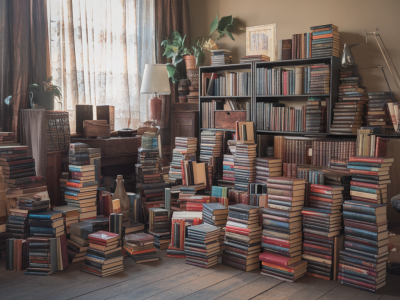
I set myself a small experiment: for two weeks I would buy only secondhand books. No new releases, no shiny hardbacks with unreadably tight spines, nothing from the digital store where a book appears in my library at 2 a.m. with the mute flourish of a purchase confirmation. Just books that had already been handled, annotated, loved, neglected or left on a shelf for someone else to find. It felt...
Read more...
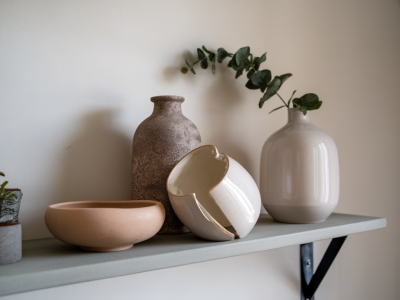
There is a single broken thing in my flat that everyone notices. It’s not the kind of break that needs repair to function — a crack running like a river through the rim of a ceramic bowl I bought at a flea market years ago. I use it sometimes for fruit, sometimes to hold keys, and sometimes merely as an object to catch my eye when I’m making tea. I have never glued it back together....
Read more...