Morning Arrival and First Impressions
Stepping into a French school for the first time can feel both familiar and surprising. The building may look similar to schools in other countries, yet the atmosphere often carries a distinct rhythm. Students arrive with backpacks slung over one shoulder, greeting friends in quick conversations before the bell rings. The courtyard, or cour, is usually the heart of the school day, where pupils gather before classes begin and during breaks. It is a lively space filled with movement, laughter, and the routine chatter of everyday school life.
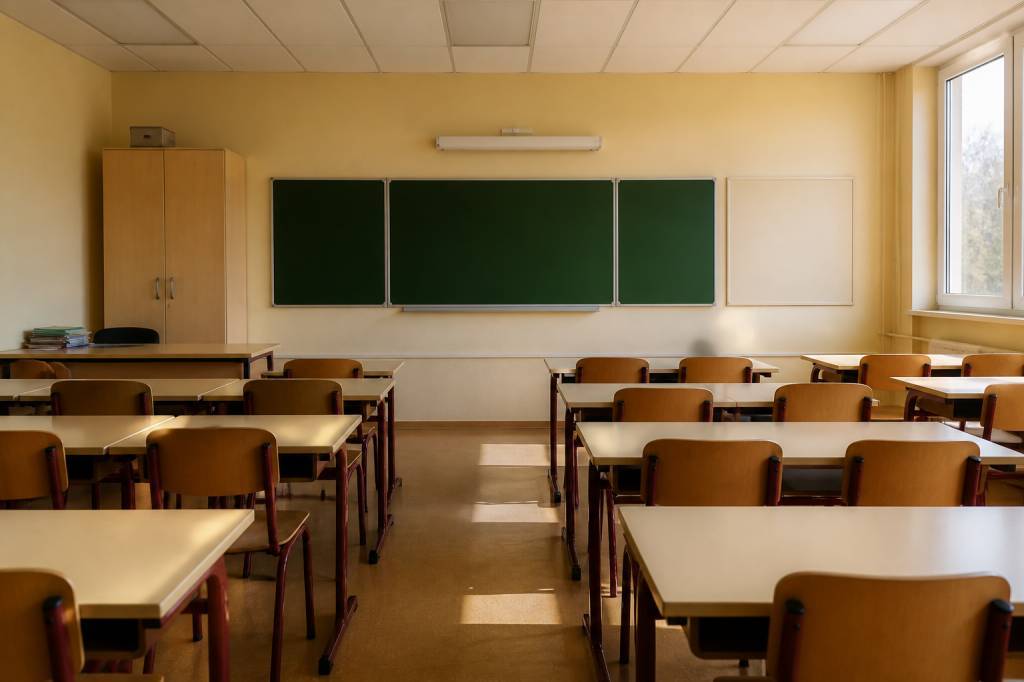
Inside the building, the classrooms are often simple and functional. You may not find overly decorated walls or colorful themed corners everywhere. Instead, the focus tends to be on structure, order, and the materials needed for learning. Desks are generally arranged in rows or in a layout that makes it easy for the teacher to maintain eye contact with the class. A blackboard or whiteboard usually takes center stage, along with a teacher’s desk, maps, charts, and sometimes displays of student work. The setting reflects a learning culture that values attention, discipline, and direct instruction.
The school day begins with a sense of seriousness. Students are expected to be punctual, prepared, and ready to work. In many French schools, the teacher enters first, and the class settles immediately. This moment establishes the tone for the lesson. Silence is respected more strongly than in many other educational systems, especially at the start of the day. The classroom is not just a room where children spend time; it is a place where learning is taken very seriously.
The Structure of the Classroom Experience
A French classroom often follows a clear and predictable structure. Lessons are usually organized around specific subjects, and each session has a defined purpose. French education places great emphasis on mastery of content, so teachers often move carefully through topics, making sure students understand the material before advancing to the next step. This approach helps create consistency and academic discipline.
Students spend a great deal of time listening, taking notes, and responding to questions. Writing is an important part of the experience, whether the subject is literature, mathematics, history, or science. Notebooks are essential tools, and students may have separate notebooks for different subjects. They are taught to write neatly, organize their work, and follow a logical structure in their answers. From an early age, they learn that presentation matters just as much as content.
Teachers in French schools often speak with authority and confidence, guiding the class through a carefully planned lesson. Interaction is encouraged, but it tends to follow a more formal pattern than in some other countries. Students raise their hands, wait to be called on, and speak clearly when answering. The teacher may ask a question to the entire class, invite a student to solve a problem at the board, or lead a discussion that helps deepen understanding. The atmosphere is focused and academic, with an emphasis on precision and effort.
In many classrooms, there is a strong sense of collective responsibility. Students are expected to pay attention not only for their own sake but also out of respect for the group. Disruptive behavior is not commonly tolerated, and the teacher maintains control of the learning environment. This creates a space where students know what is expected of them and can concentrate on the lesson without too many distractions.
Learning Subjects and Daily Routines
The range of subjects in a French school is broad and carefully balanced. French language and literature are central, with students spending significant time reading, analyzing texts, and practicing written expression. Mathematics is equally important and often taught with a strong emphasis on logic, method, and accuracy. History and geography help students understand the country, the world, and the development of ideas across time. Science classes introduce inquiry and observation, while foreign languages, physical education, art, and music add variety to the curriculum.
Daily routines can vary depending on the age of the students, but the overall structure remains recognizable. Lessons often last around an hour, and the day may include several subjects taught by different teachers. Older students move from classroom to classroom, while younger children may stay with one teacher for most of the day. Breaks are scheduled carefully, giving students time to rest, eat, and socialize before returning to their studies.
Lunch is often an important part of school life in France. In many cases, students eat in the school cafeteria, where meals are designed to be balanced and structured. This is not simply a quick snack between lessons; it is a real pause in the day. Students may have time to sit together, talk, and recharge before afternoon classes. The meal itself reflects the broader French appreciation for food as a meaningful part of daily life, even within the school setting.
After lunch, the pace may change slightly, but the academic focus remains strong. Afternoon lessons can sometimes feel quieter, especially if the morning has been intensive. Teachers continue to guide students through exercises, explanations, and class activities. Homework is often assigned, and students are expected to complete it carefully at home. The French school day therefore extends beyond the classroom, with learning continuing into the evening through independent study and review.
Discipline, Respect, and Classroom Etiquette
One of the most noticeable features of a French classroom is the importance of etiquette. Students are taught how to address teachers respectfully, how to enter the classroom properly, and how to behave during lessons. These expectations are not merely about discipline for its own sake; they are part of a broader educational philosophy that values seriousness, effort, and respect for knowledge.
In this context, the teacher is often seen as a figure of expertise. Students may challenge ideas through reasoned discussion, but they are still expected to show deference to the teacher’s role. This relationship encourages students to develop confidence while also learning the importance of listening carefully. Classroom discussions can become thoughtful and intellectually stimulating because students know that their contributions must be relevant and well considered.
Absence from class, lateness, or unfinished work is treated seriously. Schools often communicate closely with families to ensure that students remain on track. Parents are usually aware of academic expectations and support the idea that school is a place for focused work. This shared responsibility between school and home helps create a strong framework for student progress.
Social behavior is also shaped by the classroom environment. Students learn when to speak, how to listen, and how to collaborate without interrupting the flow of the lesson. Group work does happen, but it is often carefully planned and tied to clear learning objectives. The emphasis remains on developing clear thinking, good habits, and intellectual independence.
Technology, Materials, and the Modern Classroom
While the traditional image of a French classroom includes desks, notebooks, and chalkboards, modern schools also incorporate technology. Interactive whiteboards, computers, and digital platforms are increasingly common, especially in urban areas and secondary schools. These tools help teachers present information more dynamically and give students access to a wider range of resources.
Even with modern technology, however, written work remains central. Students are still expected to take notes by hand, complete exercises in notebooks, and draft essays with care. This balance between digital tools and traditional methods reflects a system that values both innovation and discipline. Technology supports learning, but it does not replace the importance of direct instruction and manual practice.
Classrooms may also include posters, maps, scientific diagrams, and literature references that support the subject being taught. In a language class, for example, vocabulary lists or grammar charts may be displayed on the walls. In a history room, timelines and historical images might help students situate events in context. These resources are practical rather than decorative, designed to reinforce learning rather than simply fill space.
For students who want to explore education in more detail or compare systems across countries, resources such as french school can offer useful insights into how French education is organized and experienced. Understanding the classroom from different perspectives helps highlight what makes the French model unique, especially in its blend of structure, rigor, and intellectual tradition.
Teachers and Their Role in Student Development
Teachers in French schools play a central role in shaping academic habits. Their authority is recognized, but so is their responsibility to lead students toward deeper understanding. They are not only instructors; they are guides who help pupils learn how to think, analyze, and express themselves clearly. This is especially visible in subjects like philosophy, literature, and history, where students are encouraged to build arguments and support their ideas with evidence.
Many teachers use a direct style of instruction, explaining concepts carefully before asking students to practice independently. They may begin with a lecture, followed by exercises, then a class discussion or written assignment. This pattern allows for both explanation and application. Students are expected to keep up, ask questions when needed, and revisit difficult ideas at home. The teacher’s role is therefore not only to deliver information but also to train students in academic discipline.
There is often a strong emphasis on fairness and standards. Assignments are graded rigorously, and students receive feedback that helps them improve. Marks are treated seriously, and academic performance can influence a student’s progression. This may feel demanding, but it also encourages resilience and persistence. Learners develop a strong awareness that effort matters and that success comes from sustained work rather than last-minute preparation.
Because of this high standard, teachers are often respected deeply by students and families alike. Their work is viewed as essential to the success of the educational system. In the classroom, this respect creates an environment where teaching can take place efficiently and with focus. Students may not always be silent or passive, but they are generally attentive and aware that learning is the main purpose of the room.
Student Life Beyond the Lesson
Although the classroom is central, school life in France extends well beyond lesson time. Students develop friendships during breaks, lunchtime, and school activities. The courtyard becomes a social space where they can relax briefly before returning to their studies. These moments are important because they help balance the demands of a rigorous academic schedule.
Extracurricular life may include sports, clubs, cultural events, or special projects, depending on the school. However, the academic timetable tends to dominate the day. This means that students learn to manage their time carefully and to prioritize their responsibilities. As they grow older, they become more independent in organizing their work and preparing for exams.
Exams are a significant part of the French school experience, especially in secondary education. Students prepare for assessments that test their knowledge, reasoning, and written expression. The pressure can be intense, but it also helps create a clear sense of purpose. The classroom is not only a place for learning day by day; it is also a training ground for future academic and professional challenges.
Many former students remember their French classrooms for the habits they developed there: careful note-taking, structured writing, logical thinking, and respect for intellectual effort. These skills often remain valuable long after school ends. The classroom leaves a lasting impression because it shapes how students approach knowledge, work, and responsibility.
The Atmosphere That Defines the Experience
What makes a French classroom distinctive is not only its physical setting or academic schedule, but the overall atmosphere. There is a seriousness to the environment, yet it is not cold. Students and teachers often share a strong commitment to learning, and this common purpose gives the classroom its energy. The pace may be demanding, but it is also purposeful.
The classroom represents a place where thinking is cultivated carefully. Students are taught to observe, question, write, and refine their ideas. They are encouraged to take learning seriously and to understand that education is an intellectual discipline. This approach can be challenging, especially for newcomers, but it often produces confident students who are able to express themselves with clarity and structure.
At the same time, there is room for personality, creativity, and curiosity. A lively discussion, a clever answer, or a well-written essay can all stand out in a French classroom. Students are not expected to memorize without understanding; they are encouraged to engage with ideas. That balance between rigor and thoughtfulness is one of the defining features of the experience.
Inside the classroom of a French school, the day unfolds with order, expectation, and a strong respect for knowledge. Every detail, from the way students enter the room to the way they complete their homework, contributes to a culture of learning that values precision and effort. For many students, this environment becomes a formative part of their education, shaping not just what they know, but how they think and how they work.