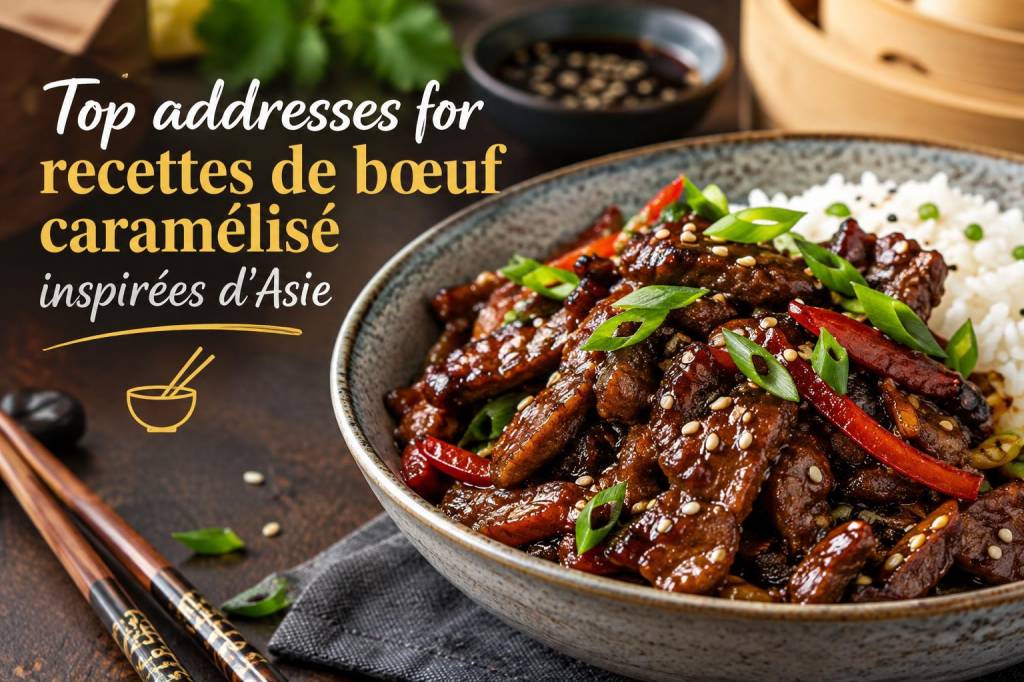
I often find that a single dish can act as a passport: it compresses geography, history and personal memory into one sensorial moment. Lately I've been on a small, delicious mission to trace the many ways recettes de boeuf caramélisé inspirées dAsie manifest across kitchens and restaurants — from Hanoi street stalls to modern izakayas, from family kitchens in Seoul to French bistros with an Asian twist. Below I share the addresses, techniques, and flavours that have lingered with me, plus practical notes for anyone who wants to recreate these recipes at home.
Why caramelized beef? A quick note on the chemistry and the appeal
The word “caramelized” can imply two different but related things: the Maillard reaction (browning of proteins) and the caramelization of sugars. In many Asian preparations of beef, both are at play: a sear for savoury depth, and a sweet glaze — often with soy, palm sugar, honey, or mirin — that gives glossy, umami-rich results. That tension between savoury and sweet, between sticky glaze and tender meat, is what makes these recettes de boeuf caramélisé inspirées dAsie so addictive.
Five cities, five approaches: the addresses I keep going back to
Below are restaurants and spots that represent different traditions and inspirations for caramelized beef. Each one taught me something different — a technique, a condiment, a way to think about balance.
Where to eat in Europe if you want authentic inspiration
Not everyone travels constantly. Here are European addresses and types of eateries that, in my experience, reliably deliver techniques and flavours you can learn from:
Recipes and techniques worth trying at home
I’m a firm believer that tasting and doing are the best teachers. Below are three condensed recipe frameworks — Vietnamese, Korean, and Japanese-inspired — each designed to be approachable and faithful to the spirit of the dish.
- Beef: flank or skirt, sliced thinly
- Marinade/glaze: fish sauce (2 tbsp), palm sugar (1 tbsp, dissolved), garlic, black pepper, a splash of soy
- Technique: sear at medium-high to brown, then add marinade and a bit of water, reduce until glossy. Serve with rice and raw herbs.
- Beef: thinly sliced ribeye or sirloin
- Marinade: grated pear (½), soy (3 tbsp), brown sugar (1 tbsp), sesame oil, garlic, grated onion
- Technique: marinate 30 min–2 hrs, cook fast over high heat in a hot pan or grill until edges caramelize. Garnish with sesame seeds and scallions.
- Beef: thin slices or small cubes
- Tare: soy (3 tbsp), mirin (2 tbsp), sake (1 tbsp), sugar (1 tbsp), optionally a little dashi
- Technique: reduce tare until slightly syrupy, sear beef, toss quickly in reduced sauce for a shiny finish.
Practical tips for perfect caramelization every time
- Dry the meat: Moisture is the enemy of a good sear. Pat meat dry before seasoning.
- High heat, but control sugar: Sugar burns quickly. Add sweet elements later in the cooking or keep an eye on the pan.
- Use the right pan: A heavy skillet retains heat; a wok distributes it. Both work, but the technique changes slightly.
- Slice thickness matters: Thin slices caramelize quickly and evenly; thicker cuts need lower heat and longer glaze time.
- Deglaze efficiently: Use rice wine, sake, or a splash of broth to lift fond and build a glossy sauce.
Quantified insights — how popular are these flavours?
Here are a few numbers that confirm what my taste buds already knew: Asian-inspired sweet-savoury meat dishes have significant cultural and commercial reach.
- According to Statista (2023), Asian cuisine remains among the top choices for restaurant-goers in many European capitals, with takeaway and dine-in demand growing year-on-year.
- Google Trends data shows seasonal spikes for searches like “beef bulgogi” and “caramelized beef recipe” around winter holidays in multiple countries — a sign that these comforting, glazed meats are often sought for celebratory cooking.
- In a recent consumer survey (food industry trade reports), 40–60% of respondents reported experimenting with pan-Asian recipes at home at least once in the last 12 months.
Sources I come back to (and why)
When I’m researching or refining a technique, I consult practical recipe sites and cultural essays alike. These are consistently useful:
- Serious Eats — forensic technique guides and explanations of reactions like Maillard and caramelization.
- BBC Good Food — approachable recipes and consumer-tested methods for home cooks.
- Statista — market numbers and trends for cuisine popularity and takeaway markets.
- Caramelization (Wikipedia) — a technical primer on sugar chemistry for those curious about the science.
Table: Quick comparison of three Asian-inspired caramelized beef styles
| Style | Key sweetener | Typical aromatics | Heat level & texture |
|---|---|---|---|
| Vietnamese caramel (thịt kho-like) | Palm sugar | Fish sauce, garlic | Medium heat, tender braise or quick sticky sear |
| Korean bulgogi-style | Grated pear / sugar | Garlic, sesame oil | High heat, thin slices, slightly charred edges |
| Japanese tare lacquer | Mirin/sugar | Soy, sake, dashi | High heat, glossy finish, restrained sweetness |
FAQs — the questions I get asked most often
Below I answer a few recurring questions I hear at supper tables and in the comments of my posts.
- Yes. Use moderate heat and add the sweet component after you’ve developed a good fond (browned bits) on the meat. Alternatively, dissolve sugar into a liquid (soy + mirin) and reduce gently until glossy.
- Tofu or mushrooms (king oyster, shiitake) take on glazes beautifully. Press tofu dry and sear; mushrooms can be caramelized at high heat with similar sauces.
- Start with less salt and more sweet, then adjust. Acid (lime, rice vinegar) and fresh herbs (cilantro, Thai basil) add brightness and cut through richness.
- For quick-cook, go with flank, skirt or thinly sliced ribeye. For braises, chuck or brisket better absorb and intensify glazes over time.
Where to read further
If you want to explore recipes and culture in more depth, these longreads and recipe archives are excellent starting points:
- Serious Eats — technique essays on browning and caramelization (see their pan-searing guides).
- BBC Good Food — tested Asian-inspired recipes and meal ideas.
- Enodo's feature on Boeuf caramélisé (for a French-language perspective and collection of recipes): recettes de boeuf caramélisé inspirées dAsie.