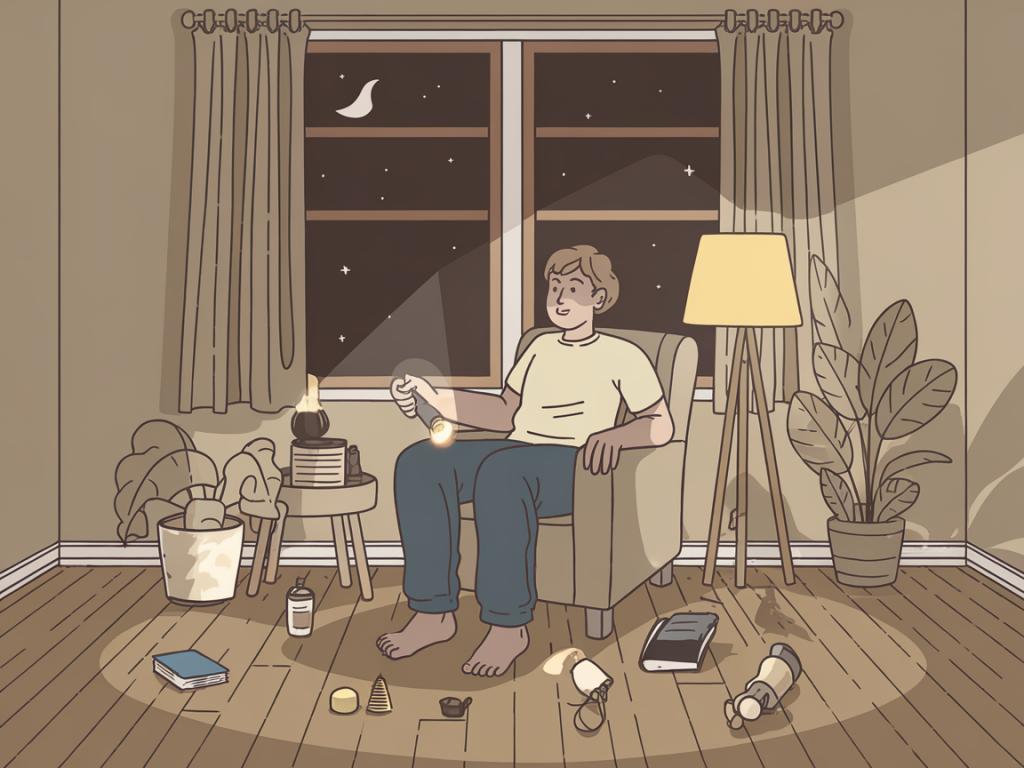
I started doing a small experiment on a bleak November evening, partly because my mornings had been a battleground of nagging to-dos and low-grade dread. The idea was absurdly simple: before bed, spend five minutes scanning the room and naming aloud five objects that mattered for the next day—keys, wallet, train pass, gym kit, work laptop. The rule was strict only in its brevity. No lists on my phone, no elaborate routines. Five minutes. Five items. If I found the object already placed where it belonged, I acknowledged it; if not, I put it there.
Why the tiny ritual felt like enough
There’s a kind of psychological housekeeping that happens when you articulate an object and a plan for it. Naming something makes it real. Saying “my keys are on the hook” creates a tiny contract between intention and reality. It’s not magic; it’s an anchoring trick. I’d read about similar techniques in productivity essays—implementation intentions, pre-mortems, “if-then” planning—and wondered if a very pared-down, sensory version could do the same job: quiet the anticipatory loop that tends to spin in the dark before a morning alarm.
What surprised me was how quickly the ritual became a permissive permission to stop worrying. Instead of rehearsing every potential morning catastrophe—missing the bus, being late to a meeting, forgetting to bring lunch—the ritual redirected attention to tangible things I could control in minutes. Five minutes of focused action replaced forty minutes of rumination. That felt like a disproportionate return.
How I do the five-minute object inventory
- Pick five objects that are meaningful for tomorrow. They don’t have to be glamorous. For me: keys, phone charger, train ticket (or Oyster card), notebook, and a sweater.
- Say them aloud. Saying them out loud helps. It’s like a small, audible seal of intention.
- Physically place or check each item. If it’s not where it needs to be, move it. If it already is, touch it or adjust it slightly—this cements the action.
- End with a breath. One slow inhale and exhale before turning off the light. Minimalist ritual to mark completion.
I’ve varied the list. Some nights it’s five physical objects; other nights it’s three objects and two “soft” things (e.g., “pack lunch,” “set out shoes”). The flexibility is crucial. The point isn’t adherence to a strict formula but the act of converting abstract worry into concrete, actionable checks.
What it actually changes in the brain
Two things happen. First, you reduce cognitive load. Our short-term memory is notoriously poor at juggling many prospective intentions. Externalising a handful of items—seeing them, touching them—moves them from mind to matter. Second, you build a predictive model for your morning. If I know my charger is by the bed and my keys on the hook, my brain can prepare for a smoother sequence, which lowers baseline anxiety. There’s also the tiny dopamine reward of ticking things off, even before the day starts. It’s small, but cumulative.
Evidence and limits
There isn’t a mountain of research on “five-minute object inventories” specifically. But the technique draws on established findings: implementation intentions increase goal attainment; external reminders (like habit stacking and visible cues) reduce forgetfulness; and bedtime planning improves morning performance and mood. So while the specific ritual is my own adaptation, it’s scaffolded on well-studied cognitive principles.
That said, this won’t cure every kind of morning anxiety. If your anxiety stems from clinical panic disorder, unresolved work stress, or deep existential dread, a nightly inventory is a modest tool, not a cure. It helps with the anticipatory, practical form of anxiety—the “what if I forget” or “what if I miss the train” type. For deeper anxieties, this method can be a complement to therapy, medication or broader lifestyle changes, not a replacement.
Practical tweaks I found useful
- Keep a staging area. A tray, a small bowl, or a hook by the door. Brands like Yamazaki make neat trays and racks that look intentional on entryway consoles. The staging area makes the five-minute review faster.
- Use visible cues. If you’re prone to forgetting a lunch, put the Tupperware on top of your backpack. Out of sight often means out of mind.
- Pair it with a short wind-down. Five minutes feels less like another task if you attach it to something you already do—brushing teeth, turning down bedding, or reading one poem.
- Rotate the focus. Some nights emphasize physical objects, others prioritize intentions (e.g., “I will email X in the morning”). Rotate so the ritual stays flexible and relevant.
A small table for a simple checklist
| Item | Where I put it |
| Keys | Hook by door |
| Phone charger | Bedside table |
| Transport card | Wallet / front pocket |
| Work laptop | Bag ready by chair |
| Sweater | Chair near door |
When it backfires
There were nights when the ritual increased anxiety: I’d notice that an object was missing and spiral into “What else have I forgotten?” That usually happened when I’d left the five-minute review too late or done it while distracted. The antidote was simple: restart the ritual, reduce the number of items to two, and focus on placement rather than adjudicating every possible future problem.
Why it has stuck
Habit forms when the reward is immediate and the action is simple. The five-minute object inventory delivers both: it takes little time and gives a quick payoff—a calmer night and a smoother morning. Over months it’s become less a ritual of control and more an act of care. I don’t just save myself time; I create a small, predictable pocket in my day that feels like a gentle promise to myself.
If you try it, keep it forgiving. The power isn’t in perfection; it’s in the repeated, imperfect act of moving things from worry to place. And if you find yourself wanting a variation, try a two-minute “leaving-the-house” sweep in the morning—just a quick confirm-and-grab. For me, the bedtime inventory and a morning glance make the day begin with less friction, and that little difference ripples outward in surprisingly pleasant ways.