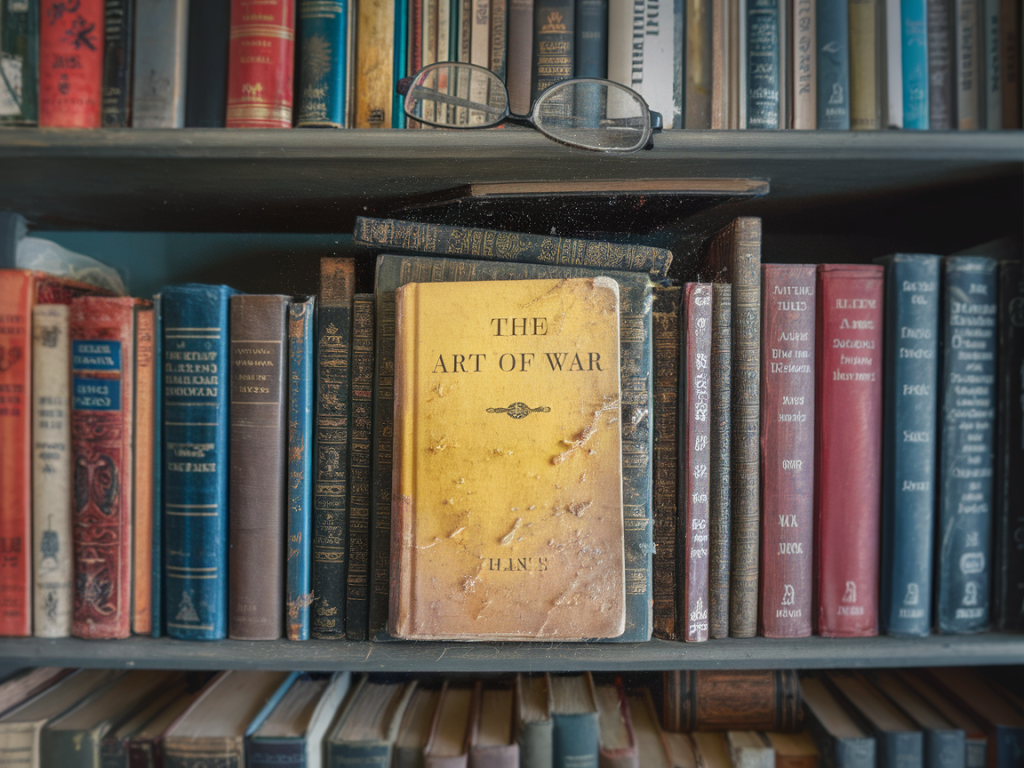
There’s a book on my shelf that I never open. Not because it’s rare or valuable, or even because it’s terrible—but because it feels like a small archaeological artifact of a person I used to be. When friends notice it they often ask, half-joking, “Do you still like that?” and I give the practiced shrug of someone who knows better than to explain. The book stays. It stubbornly refuses to be anonymous among the spines I can actually recommend.
The unloved book as witness
Keeping an unloved book is an odd domestic ritual. It’s more than clutter but less than a treasure. It is, I think, a kind of witness. It witnessed a choice—an enthusiastic impulse, a hopeful purchase, a moment of identification. At the time the title meant something. Later, the emotional geometry changed. The reader changed. The book, inert on the shelf, preserves the moment that now feels slightly embarrassing to recall.
What does that say about us? For one thing, it tells a story we prefer not to tell aloud. Perhaps that book belongs to a past identity we’ve softened away from: the trend-following version of ourselves, the romantic who believed a memoir would fix a heartbreak, the earnest reader who thought a particular philosophy would answer every question. We keep the book like a photograph in which we look younger and less complicated. Deleting it feels like admitting we were once a different person.
Signal and silence
Books on a shelf are both signal and silence. They signal taste, education, identity. They promise conversation starters: “Oh, you read X? Tell me more.” But when one book is left unread or unloved, it emits a quieter signal—an imagined story we’re not telling. Maybe we bought it for someone else. Maybe it was a gift we didn’t know how to refuse. Maybe it was part of a persona cultivated for years in which we curated a public image as much as a personal library.
There’s also shame in that silence. We think of reading as a virtuous activity, so a book we didn’t love can feel like a failure of will, taste or moral discipline. If we display that book, we risk being seen as someone who values the idea of culture more than the practice. If we hide it, we risk lying by omission. The unloved book exposes the awkward middle ground where aspiration and reality meet.
Why we keep them
Not all retained books are sentimental. I see a few recurring reasons among friends and in my own shelves:
What it reveals, quietly
When you notice an unloved book and feel the urge to rationalize its presence, pause. Ask yourself what story it tells that you don’t want to tell out loud. Here are some possibilities:
None of these are condemnations. They are human. What makes them uncomfortable is how neatly that single object compresses a complicated interior. A book is small but stubbornly specific. It invites curiosity and, if you’re not careful, judgment—both from others and from yourself.
A small practice for looking honestly
When I finally decided to engage with my unloved book—rather than let it be a silent reproach—I designed a small experiment. I pulled the book down at a slow, ordinary moment and read the first page. Then the first chapter. I listened to the voice of the book as if meeting someone at a party I’d once been excited about but then ignored. The practice was not about finishing it. It was about noticing how I felt.
If you want to try, you might follow a similar ritual:
Alternatives to hoarding or purging
If the idea of disposing of a book feels like erasing a part of your history, there are softer alternatives. Here are a few I’ve used or observed:
| Option | How it helps |
| Gift to the right person | Transforms the book into someone else’s beginning, not your unfinished gesture. |
| Donate to a cause | Reconnects the object with a civic purpose—schools, shelters, local libraries. |
| Sell or swap | Recovers small value and acknowledges the book’s lifecycle. |
| Store in a box | Preserves memory without public display; keeps front shelves genuine. |
| Repurpose | Use pages as collages, wrapping, or art—literally alter the meaning. |
What keeping one unloved book can teach you
There’s a tenderness to admitting you keep something you don’t quite love. It’s an admission that life contains mismatches—between who we are and who we hoped to be, between public identity and private attention. Rather than a moral failing, that mismatch can be a small, inviting truth: that we are works in process.
So when you notice an unloved book on your shelf, don’t rush to denounce it. Listen. Ask what it witnessed. Consider whether you’re preserving a memory, a promise, or a performance. Decide with curiosity rather than shame. And if you choose to keep it, let it be a less theatrical presence—a companion to your complicated and ongoing self, not a billboard for aspirations past.