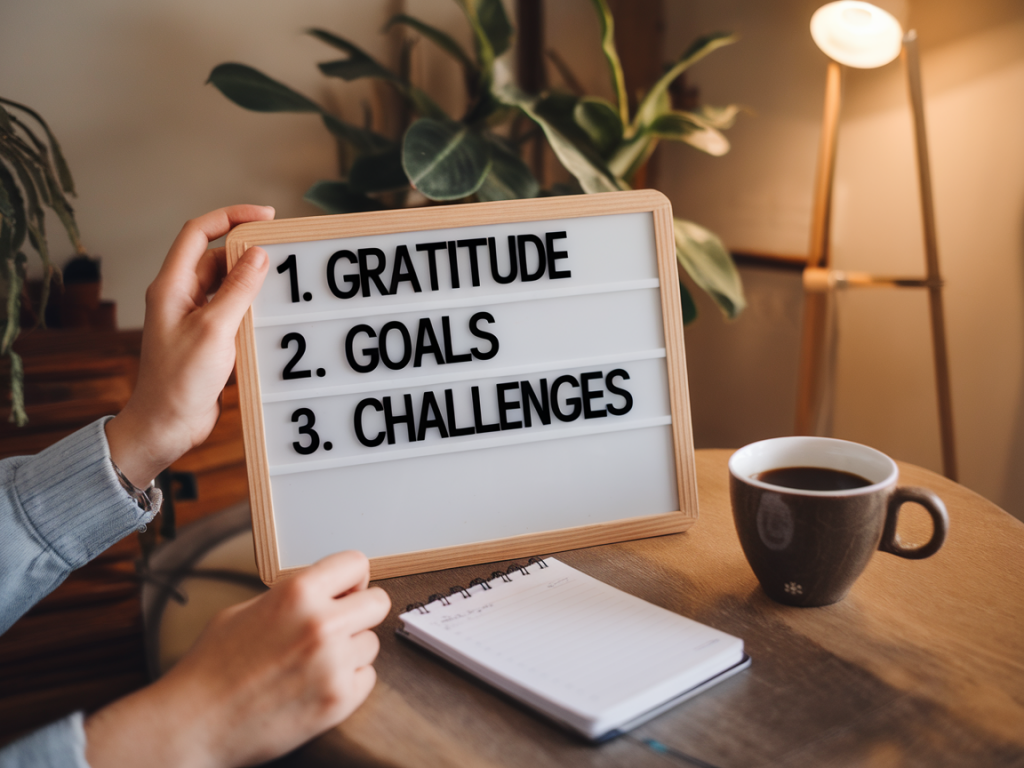
Some mornings I wake with a head full of errands, a tangle of obligations and a nagging sense that the day will be "too much." Other mornings the sky seems to afford me a breath: the first cup of coffee tastes decided, my steps feel steadier. What makes the difference? Over the years I’ve noticed a tiny ritual that shifts the tone of the whole day: keeping a three-item mental list as soon as I wake.
It’s not a to-do list polished for productivity gurus, nor is it a strict system promising to optimize every minute. It’s small and human: three simple anchors I choose before the rest of the world presses in. Sometimes the list is practical, sometimes aspirational, sometimes purely mood-oriented. But the act of naming three things—no more, no fewer—reshapes the way I feel each morning.
Why three items?
Three feels like a sweet spot. One item can be too narrow: if it fails, the whole intention collapses. Five or ten can feel overwhelming, especially in the quiet vulnerability of first waking. Three gives structure without spectacle. It’s enough to cover different realms of the day—body, mind, and mood—without turning the morning into an agenda.
Psychologically, there’s something to the power of manageable specificity. When I specify just three things, my brain can picture them clearly. Visualization makes intentions concrete. Neuroscience tells us that imagined actions activate related neural pathways similar to actual actions; so mentally rehearsing small, achievable items primes me to follow through and reduces the anxiety that often comes from vague, sprawling plans.
What goes on my list?
The lists are intentionally eclectic. Here are categories I often mix from:
Small practical tasks: "make the bed," "reply to that one message," "pay the utility bill."Comfort or care: "drink a full glass of water," "stretch for five minutes," "open the window."Creative or thoughtful nudges: "write one paragraph," "read a page of that book," "take a photograph."Mood intentions: "stay patient with myself," "notice one kindness," "ask curious questions."Some mornings I lean pragmatic—especially if there’s real urgency. Other days, when the schedule is forgiving, I choose items that cultivate attention and presence. Crucially, none of the items are monumental. They’re deliberately attainable, inviting momentum rather than pressure.
How it shifts my mood
There are three ways this modest practice alters my mornings.
It narrows the mind's fray. Waking often brings a scatter of thoughts: obligations, half-remembered conversations, fretting. Pinning down three items channels that scatter into a coherent thread.It generates early wins. Completing even one tiny thing—making the bed, drinking water—gives a release of satisfaction. That micro-success primes the brain to pursue more positive actions, a phenomenon psychologists call the "progress principle."It invites kindness. Including at least one item that leans toward self-care or curiosity rewires the morning away from default achievement mode. It reminds me that the day doesn’t have to be all hustle; there can be soft priorities too.Practical ways to form the habit
Forming a new morning ritual can feel indulgent or elusive. Here are practical tweaks that helped me make the three-item list stick:
Keep it short and flexible. The list exists to serve you. If you wake up and only want to choose two items, go with it. The aim is consistency, not perfection.Say it aloud. Speaking the three items, even softly, strengthens commitment. It’s a small ceremony that marks the transition from sleeping mind to intentional waking.Write it down occasionally. I like a minimalist notebook—Moleskine or a simple Paperblanks—and sometimes jotting the three items helps on heavier days.Pair it with an existing cue. After you turn off the alarm, make the list. Or while your coffee brews, name your three items. Anchoring the practice to another habit helps it survive busy mornings.Be merciful. If a day derails you, pick the list back up the next morning. A single missed morning doesn’t break the practice; it reminds you that you’re human.Examples from my actual mornings
To make this less abstract, here are three recent, real-life lists I kept and how they changed my day:
List A: "Open the curtains, stretch for five minutes, email the editor." That morning I felt cramped and distracted. Opening the curtains physically invited light and lightened my mood; the five-minute stretch loosened tension; emailing the editor removed a bespoke worry. The day unfolded with steadier focus.List B: "Make tea, read two pages of a novel, notice one sound." I chose these on a weekend. The small reading goal turned into a longer reading session because the initial resistance was overcome. Noticing a sound—birdsong—kept me present and calmed my internal commentary.List C: "Drink water, say no to one request, take a photograph." That day I practiced a boundary. Saying no freed up energy and the photograph—just a corner of light on a table—became a tiny marker of gratitude for the ordinary.Variations to try
Depending on temperament and needs, you can tweak the format:
Theme mornings: pick three items all devoted to one area (e.g., creativity: "sketch for ten minutes, freewrite one page, listen to a new piece of music").Micro-habit chain: each item triggers another tiny habit (after drinking water, walk for three minutes; after walking, splash face with cold water).Question-based lists: instead of actions, ask three guiding questions ("What would make this morning kinder to me?" "What could I learn today?" "Where will I be generous?").A gentle final note
This practice is less about rigid productivity and more about the tone of attention you bring into the day. I’ve found that naming three things early gives my mornings a calm backbone—enough structure to feel purposeful, enough openness to be human. If mornings feel like a hurdle for you, try it tomorrow: choose three modest things before you reach for your phone. See what shifts. If nothing changes dramatically, you still might have made your bed and noticed a bird. That, on many days, is enough to begin.